About
Nicolas Noé
Software developer and open-source contributor based near Brussels, Belgium. Fifteen years building tools at the intersection of technology and the natural world.
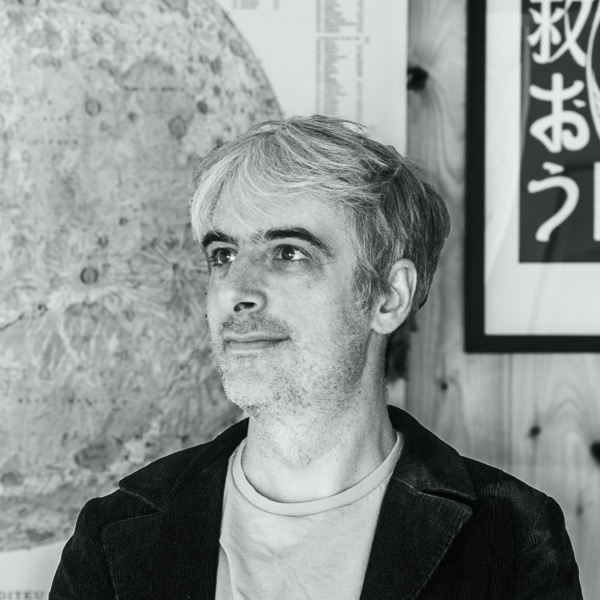
I'm Nicolas Noé, a software developer and open-source contributor based near Brussels, Belgium. I've spent the last fifteen years building tools at the intersection of technology and the natural world — working with and for organisations like the Belgian Biodiversity Platform and INBO before founding The Binary Forest.
Outside of work I'm a scuba diver, a vintage electronics tinkerer, and a mediocre drummer. I believe the same curiosity that pulls me toward a broken synthesiser or an unfamiliar reef makes me a better developer.
Good software for science doesn't happen in isolation. For over fifteen years I've been an active member of the biodiversity informatics community — not just as a developer, but as a contributor, trainer, translator and open-source maintainer.
First prize · 2023
GBIF Ebbe Nielsen Challenge
The Ebbe Nielsen Challenge is GBIF's annual prize for innovative open tools that advance biodiversity data. In 2023, GBIF Alert — an early alert system for invasive species I developed with colleagues from INBO — was awarded first prize. It was the second time I'd won: in 2015, a dataset metrics tool I built with the same community took the inaugural prize.
Open source tools
Alongside the technical work, I've contributed to GBIF as a volunteer translator, reviewer and trainer — helping make biodiversity data infrastructure more accessible to broader audiences across language and skill barriers.
I take on a small number of projects at a time, and I take them seriously. That means paying attention to the details that matter, keeping things as simple as they can be, and thinking beyond the immediate deliverable to what the project needs to still be working in five years.
I work with clients, not just for them. That means honest conversations about what's realistic, early warnings when something isn't going as planned, and a working relationship where you always know where things stand. I've worked remotely across time zones and cultures for most of my career — communication and trust aren't afterthoughts.
I believe good software is closer to craft than to factory output. It requires curiosity, care, and the humility to keep learning. Those aren't values I perform — they're just how I work.
Let's start with a conversation.
The best projects start with a good conversation. If you have a problem you're trying to solve — even a vague one — I'm happy to hear about it.